Facelift in Denver, naturally done.
Natural, long-lasting facial rejuvenation by Dr. Emily Misch, a double board certified facial plastic surgeon with fellowship training in the deep plane facelift. Results that look like you, refreshed — never pulled or "done."
A focused facial plastic surgery practice — all surgery performed solely by Dr. Misch.
The surgeon matters more than anything else.
A facelift is one of the most personal decisions you can make. Dr. Emily Misch brings a level of specialized training to the Denver area that's genuinely rare — and she performs your surgery herself, every time.
Specialist focus
Facial plastic surgery only — not a general practice. The face and neck are her entire field.
Deep plane expertise
Fellowship-trained under Dr. Andrew Jacono, a leading authority on the technique, in Manhattan.
Natural results
Repositioned tissue, not stretched skin. You should still look like you — just rested.
Personal care
Dr. Misch performs your surgery, sees you the next day, and is available through recovery.
What is a facelift?
A facelift restores a more youthful, rested appearance to the mid-face, jawline, and neck. Over time, gravity, sun exposure, and the natural loss of collagen and volume cause the deeper support structures of the face to descend — creating jowls, deep folds around the mouth, and a softening jawline.
A modern facelift addresses the cause, not just the surface. Rather than simply tightening skin, Dr. Misch repositions the deeper layer of facial tissue — the SMAS — back to where it sat in youth. The skin is then re-draped without tension. That's the key to a result that looks natural and lasts: the lift comes from underneath, so the skin is never pulled tight.
A facelift primarily rejuvenates the lower two-thirds of the face and the neck, and is often paired with other procedures for balance — which Dr. Misch will discuss honestly, based on your goals.
There's no single "right age." It's about your goals.
No one needs a facelift. You may be a good candidate if you've started to notice:
-
Jowls or a softening, less-defined jawline
-
Sagging in the cheeks or mid-face
-
Deep folds from the nose to the corners of the mouth
-
Loose skin or banding in the neck, or a less-defined neckline
-
A tired look that doesn't match how you feel
-
Diminishing results from fillers, Botox, or laser
Ideal candidates are non-smokers in good general health. If you're earlier in the aging process, Dr. Misch may recommend less invasive options first — she'll always tell you honestly when surgery isn't yet the right step. Not sure where you fall? Ask Dr. Misch →
The most important thing to understand before choosing a surgeon.
It's the difference between a natural result and a "pulled" one. Here's how the two techniques compare.
Skin Facelift
- What's lifted
- Primarily skin and surface layers; SMAS partially tightened but not released.
- Where tension sits
- On the skin.
- Result
- Can look tight or "pulled" if over-corrected.
- Longevity
- Tends to relax sooner.
Deep Plane Facelift
- What's lifted
- The deeper tissue layer (SMAS) is released from the facial ligaments and repositioned as a unit.
- Where tension sits
- On the deep tissue — skin re-draped without tension.
- Result
- Natural, restored contour. Looks like you, rested.
- Longevity
- Typically 10–15 years.
Learn more: Deep Plane Facelift · Blog: Facelift vs. Deep Plane Facelift
Refreshed, not different.
Natural-looking
Addresses jowls, folds, and a sagging jawline without an operated appearance.
Long-lasting
Most patients enjoy results for 10–15 years; many never need a touch-up.
Restores harmony
Returns the heart-shaped contour of youth as fallen tissue is repositioned.
Face & neck together
Especially when combined with a neck lift for one cohesive result.
A rested look
You'll look like yourself, refreshed — not like a different person.
Confidence that shows
When you feel confident, the people around you notice.
Facelift + Neck Lift
Nearly all facelifts are done with a neck lift, because the face and neck age together. Lifting the face without addressing the neck can leave the two looking out of step.
A combined deep plane facelift and neck lift smooths neck bands, refines under the chin, and restores a defined jawline — one harmonious result rather than two separate ones. Every plan is tailored to you, never a package.
Note: If you're over the age of 40, Dr. Misch usually recommends a facelift with a neck lift for the best results.

Rare training. Personal care. Honest guidance.
-
Fellowship-trained in the deep plane facelift
Under Dr. Andrew Jacono, a leading authority on the technique, in Manhattan.
-
In practice since 2021
A focused facial plastic surgery practice serving the Denver area.
-
Double board certified
In Facial Plastic Surgery and Otolaryngology–Head & Neck Surgery. Member of the AAFPRS & AAO-HNS.
-
You see Dr. Misch, every time
She performs your surgery, removes your dressings the next day, and is available through recovery.
-
Honest guidance
She'll tell you when a less invasive option is the better choice.
- Double Board Certified
- AAFPRS Member
- AAO-HNS Member
- Jacono Fellowship-Trained
Real patients. Natural results.
Drag or swipe through real results from Dr. Misch's facelift and neck lift patients.
Photos shown with patient consent. Privacy always honored.
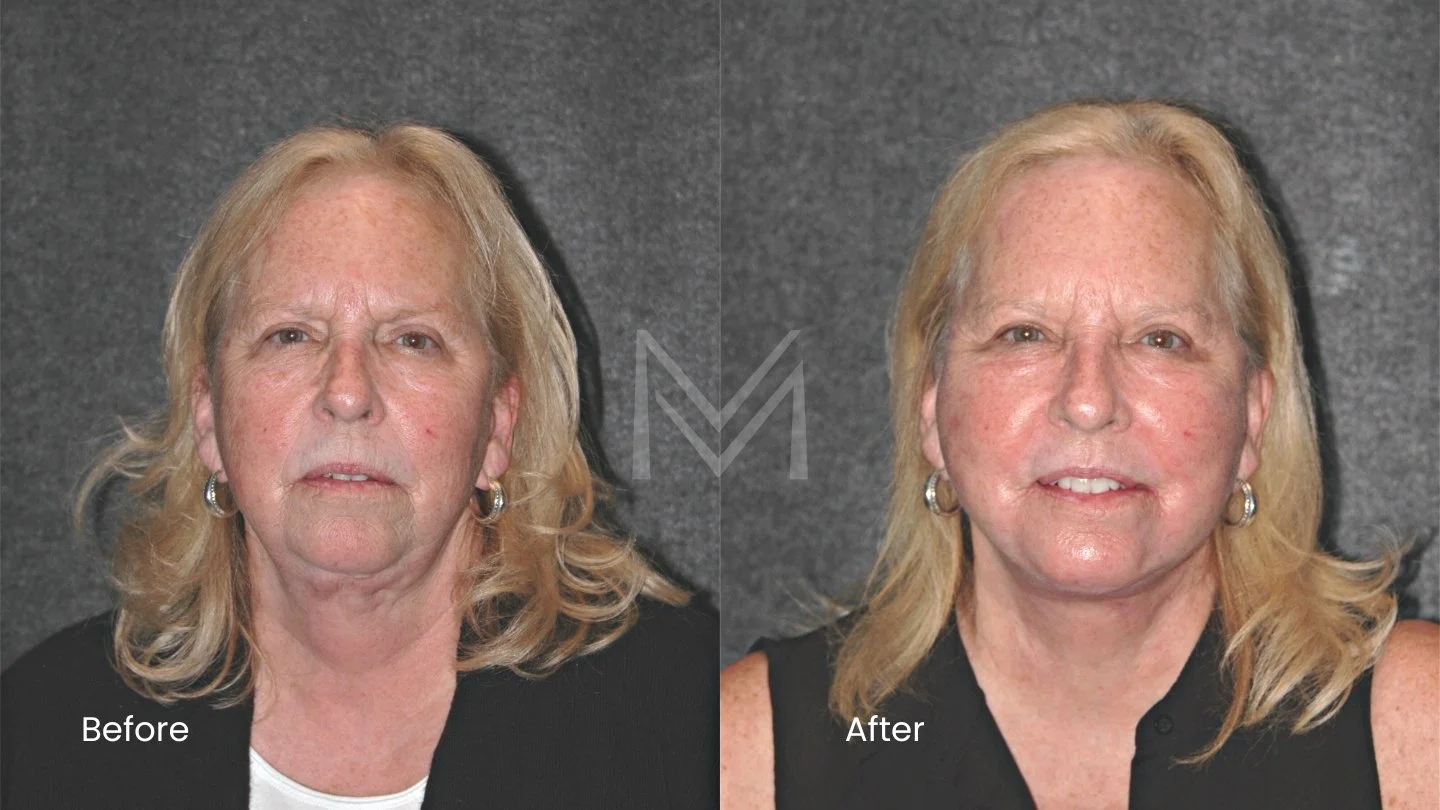
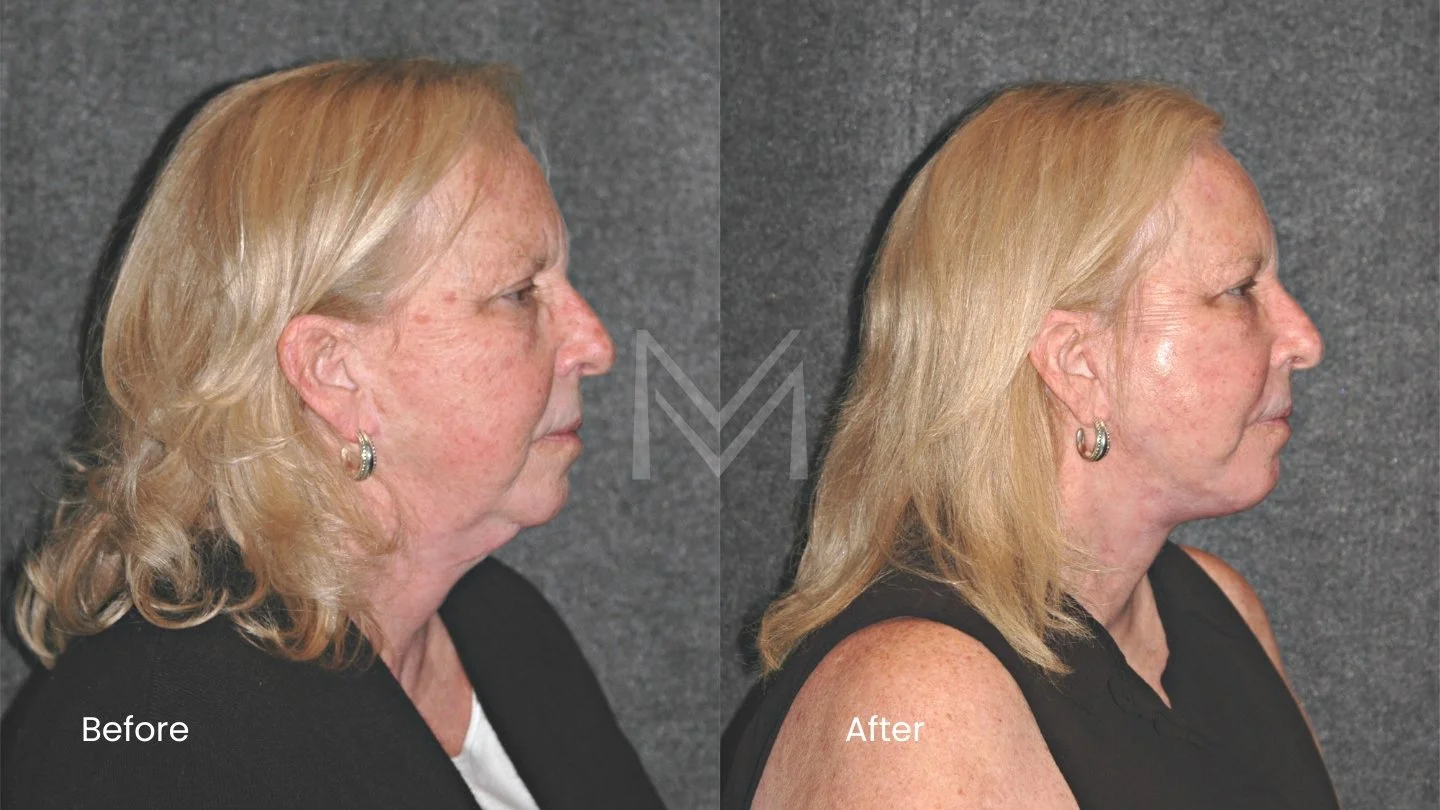
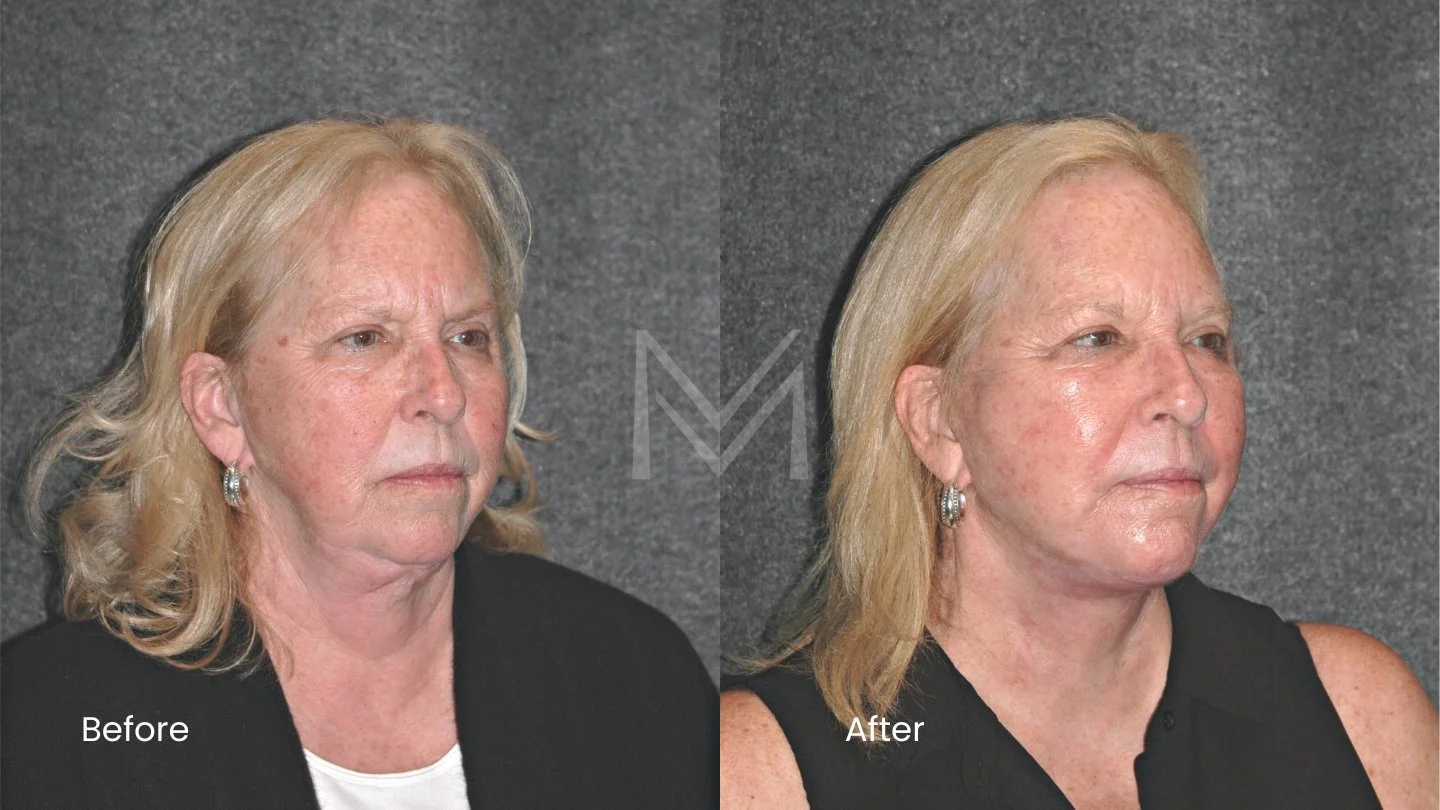
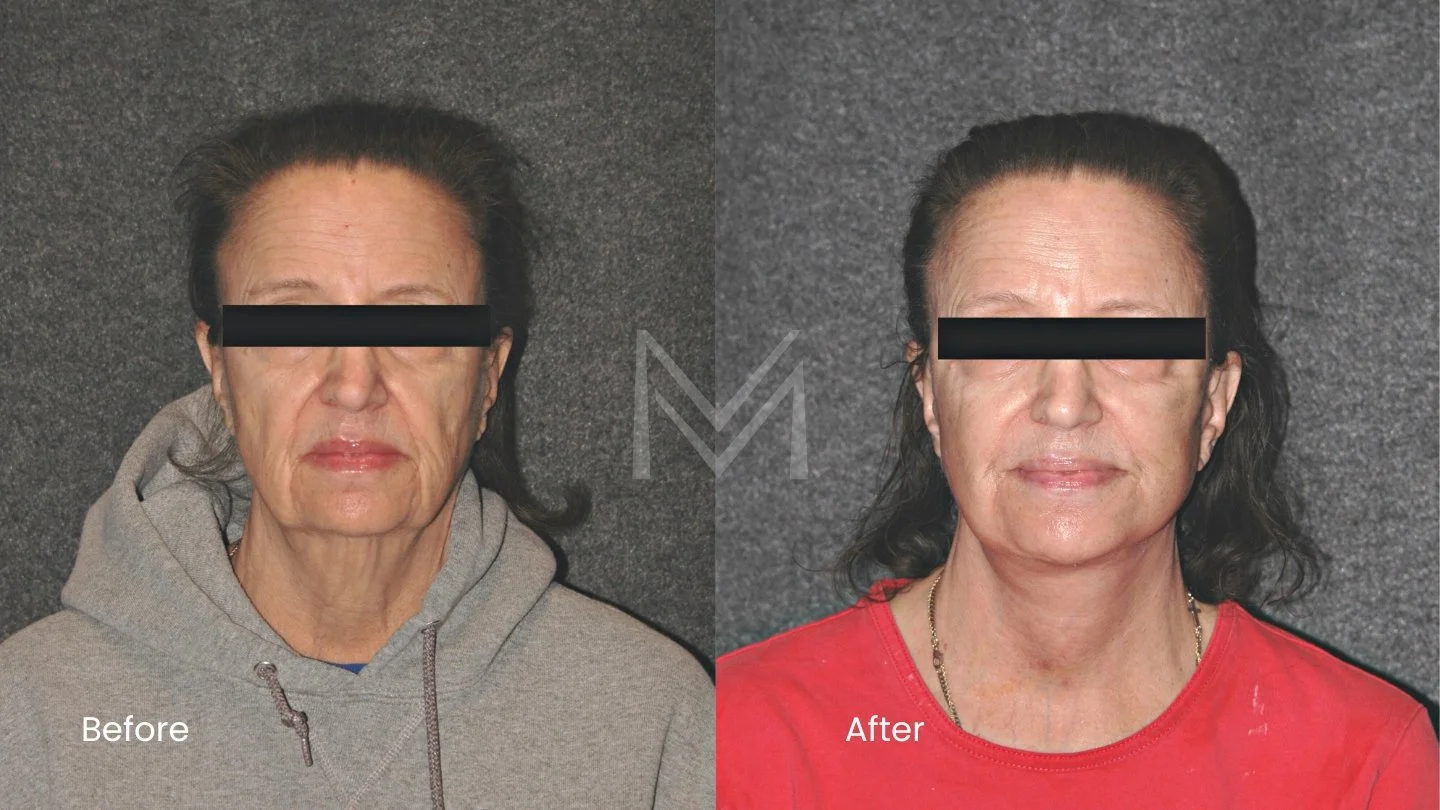
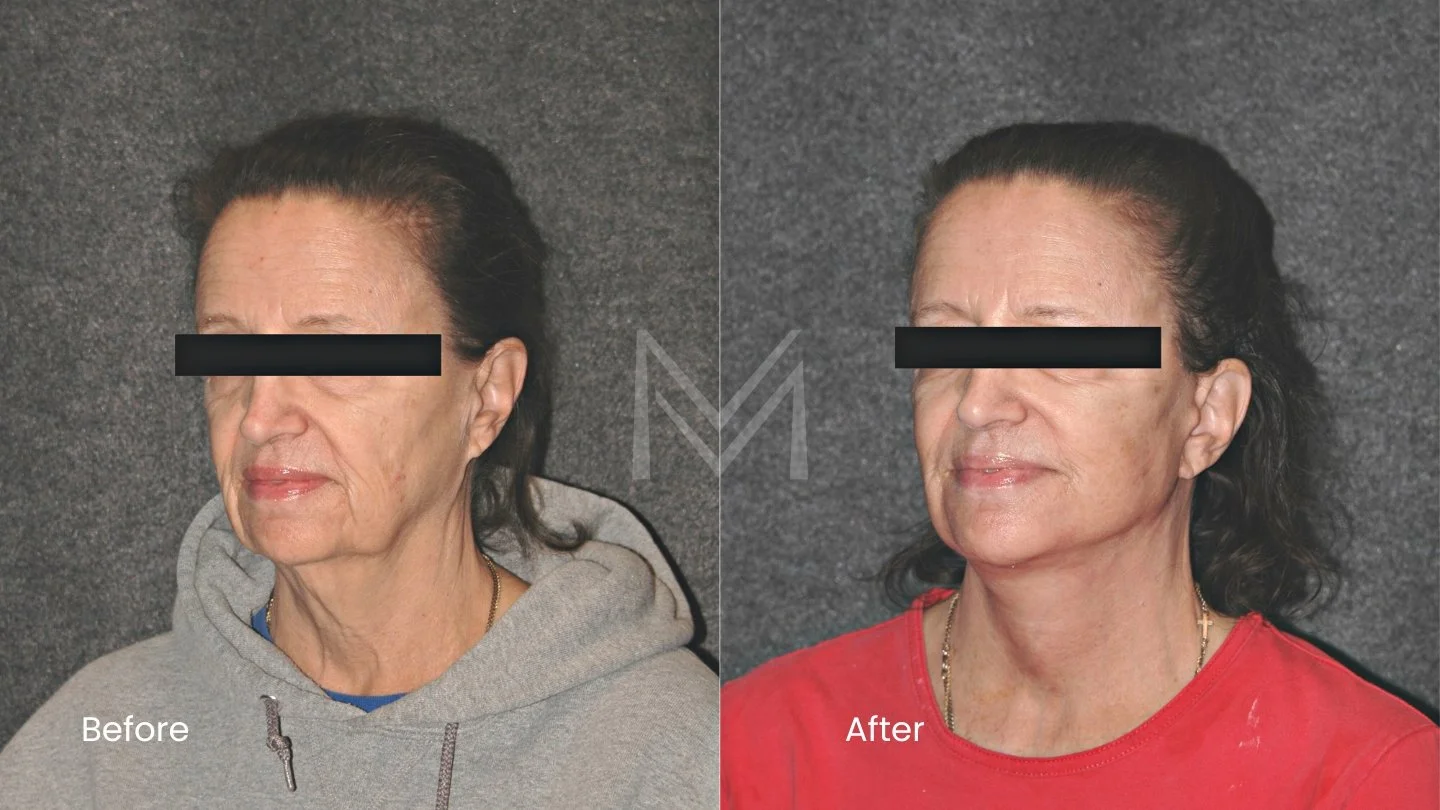
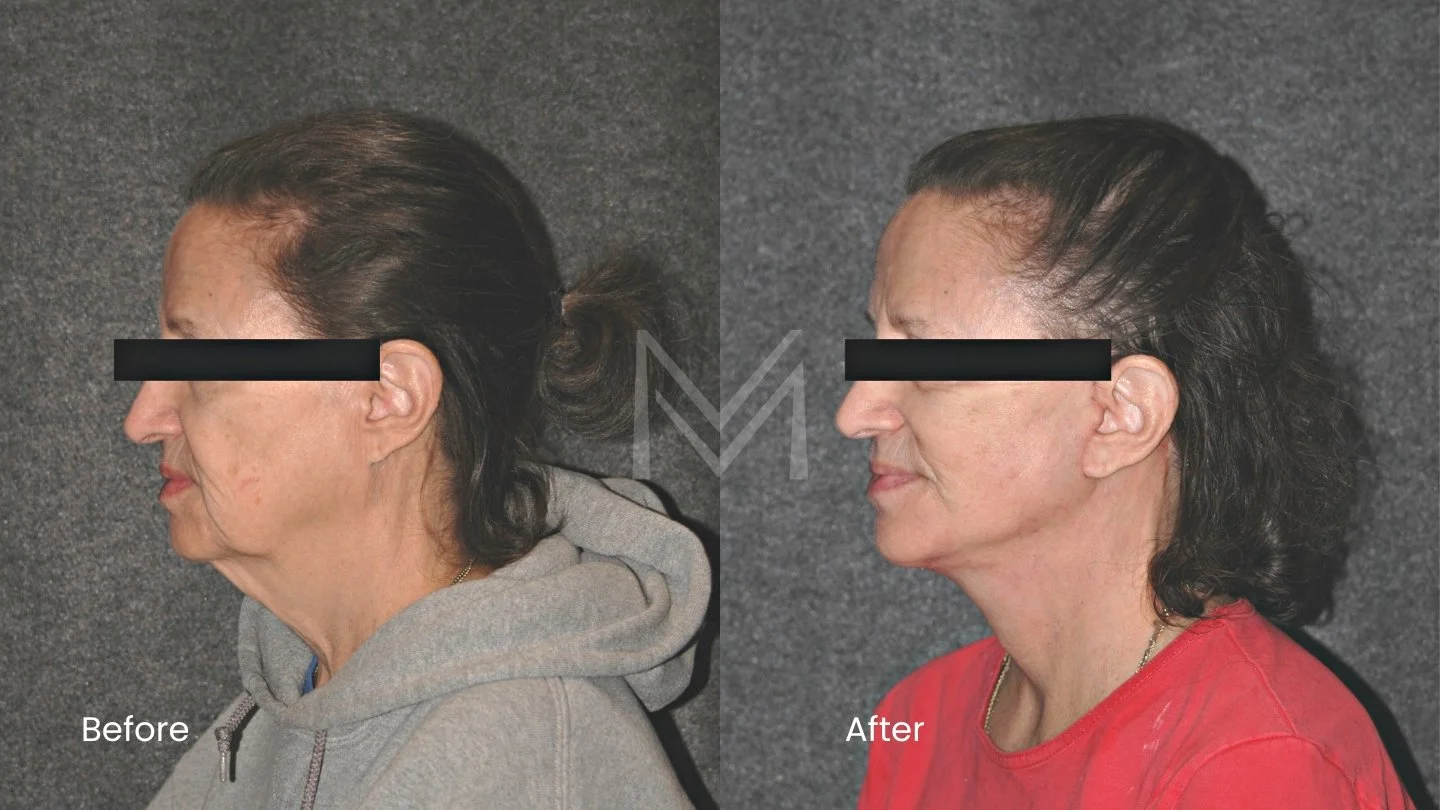
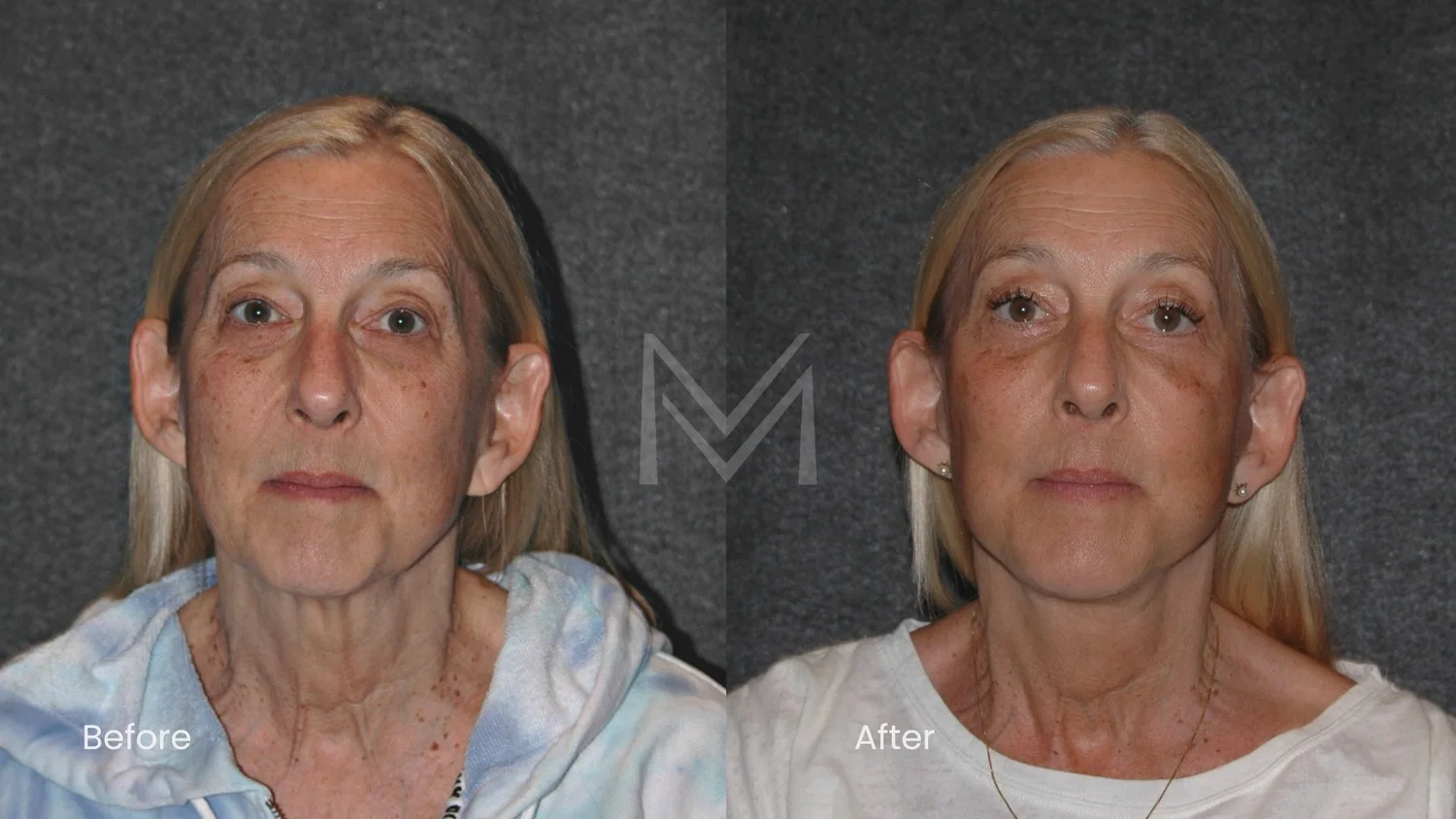
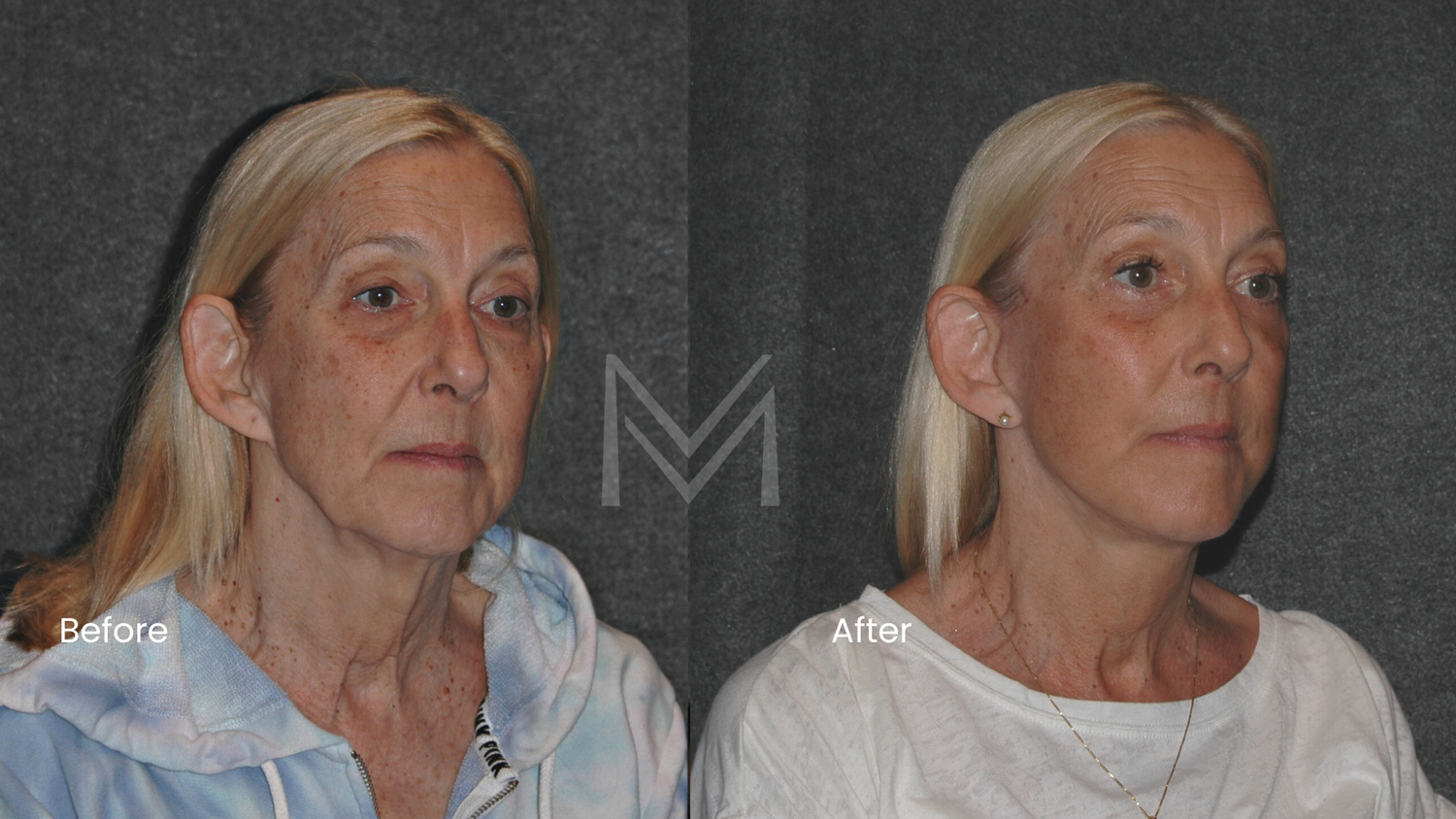
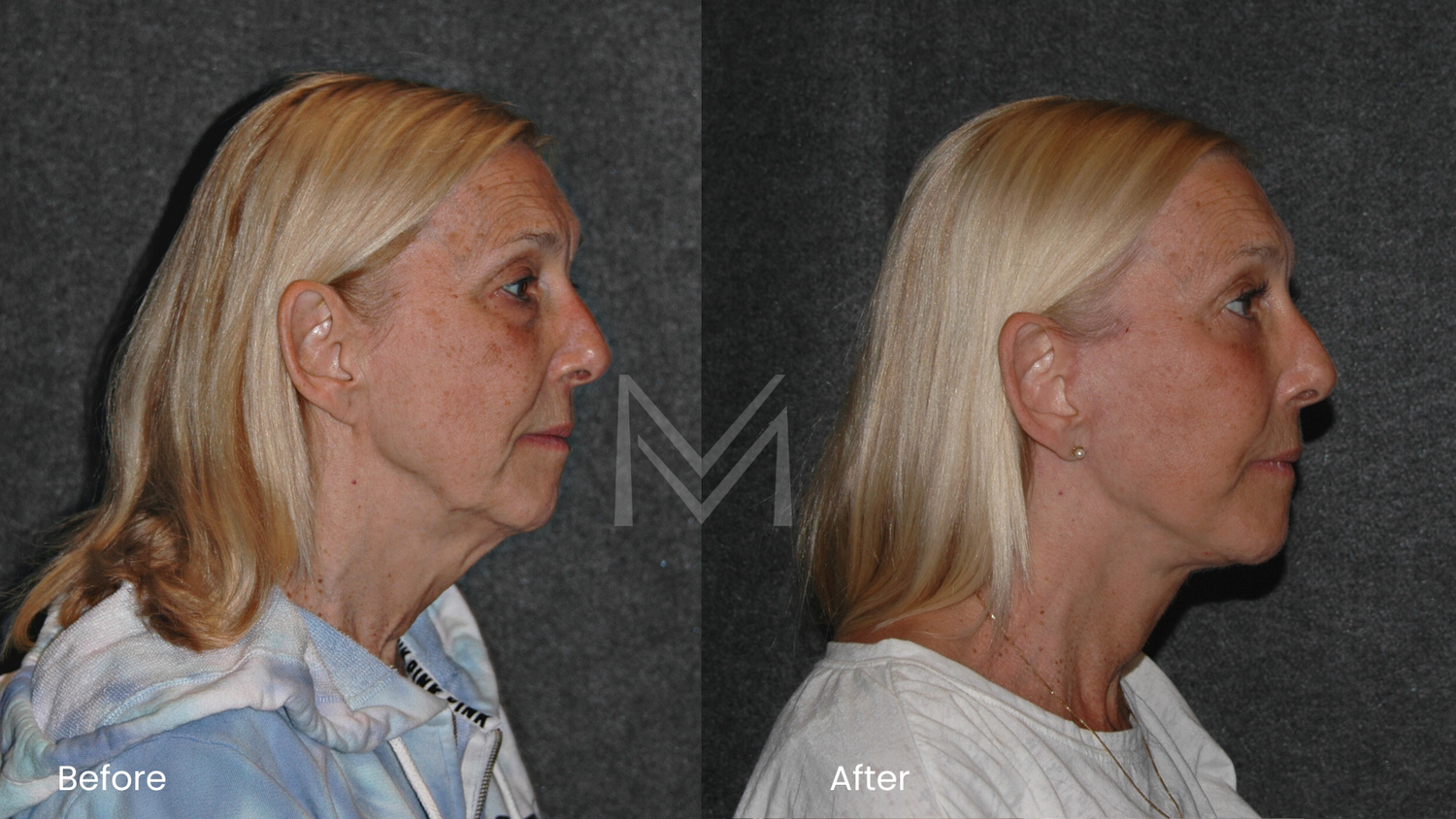
Revision Extended Deep Plane Facelift, Revision Neck Lift, CO2 Laser Resurfacing
1 / 9
More comfortable than most patients expect.
Dr. Misch guides you through every stage — and is available the whole way.
-
First 48 Hours
Rest & first check-in
You'll rest with dressings in place. You return to the office the day after surgery so Dr. Misch can remove your bandages and check on you personally.
-
Week 1
Sutures & drains
Stitches are gradually removed over 7–10 days. In some cases Dr. Misch uses drains; if placed, they typically come out within 1–5 days. Swelling and bruising are normal and peak early. Light walking is encouraged from day one.
-
Week 2
Back to daily life
Most bruising has resolved and swelling has dropped significantly. Many patients feel comfortable running errands and returning to non-strenuous work.
-
Weeks 4–6
Out and about
Return to normal activity and exercise levels. Most patients feel comfortable attending events and social gatherings.
-
Month 3
Swelling continues to settle
Residual swelling continues to settle and your contour keeps refining.
-
Up to 1 Year
Final, natural results
Final results can take up to a year to fully appear.
In their words.
-
"I have been restored to a better version of myself."
T.C.
Read More → -
"The fine work of a talented cosmetic surgeon!"
R.S.
Read More → -
"She was professional yet personable and so caring before and after the surgery!"
J.N.
Read More →
Facelift questions, answered.
What's the difference between a deep plane and a traditional (SMAS) facelift?
A deep plane facelift elevates a deeper layer of the face — the SMAS — and releases it from the facial ligaments. This allows full mobilization of the face for a dramatic yet natural result. A traditional SMAS facelift tightens some of the SMAS but doesn't release it from the ligaments, so the face can't be repositioned as freely. That can mean less natural results or tension on the skin.
How long does a facelift last?
Results from a deep plane facelift can be expected to last around 10–15 years. A facelift doesn't stop the aging process — your tissues will continue to age — but they're reset to a more youthful starting position.
What is the best age for a facelift?
There's no single best age. The right time is when you're in good general health, have enough tissue laxity to benefit, and are emotionally and financially ready for an elective cosmetic procedure. Most patients are in their 40s–70s, but everyone ages differently.
How painful is a facelift?
In general, patients don't find facelifts particularly painful. Pain medication is often prescribed, but most patients use very little. The most common complaint is mild tightness in the face and neck, which typically resolves over the first couple of weeks.
How long is recovery from a facelift?
Acute recovery lasts about two weeks, after which sutures are removed and you can begin exercising — though some swelling and residual bruising may remain. By around four weeks, most patients are comfortable going out in public and to events. Final results appear around 6–12 months after surgery.
Where are the incisions in a facelift?
Incisions are placed within the curves of the ear and along the hairline. Because the underlying structures carry the tension rather than the skin, the incisions heal nearly imperceptibly.
Do I need a facelift, or will a less invasive option work?
To start — no one needs a facelift. For younger patients with minimal skin laxity, options like neuromodulators, filler, laser, and radiofrequency microneedling may achieve their goals. Once skin has lost elasticity and become loose, results from less invasive procedures become minimal, and it may be time to consider a facelift.
Will I have drains placed?
In some cases, Dr. Misch uses drains after surgery. If placed, they're typically removed within 1–5 days. Drains aren't painful and they help reduce swelling and bruising.
Have a question we didn't cover? Ask Dr. Misch →
Related Procedures
Explore Related ProceduresLook and feel better, younger, refreshed. Improved.
When we feel confident, the people around us notice. If you're considering a facelift in the Denver area, the best next step is a conversation with a specialist who will tell you the truth about your options.
- Phone
- (303) 567-7703
- Address
- 500 E. Hampden Ave, Suite 300
Englewood, CO 80113 - Hours
- Monday – Friday: 9:00 am – 5:00 pm